
Care Guide Series
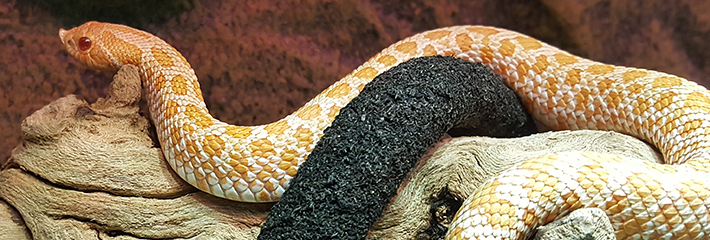
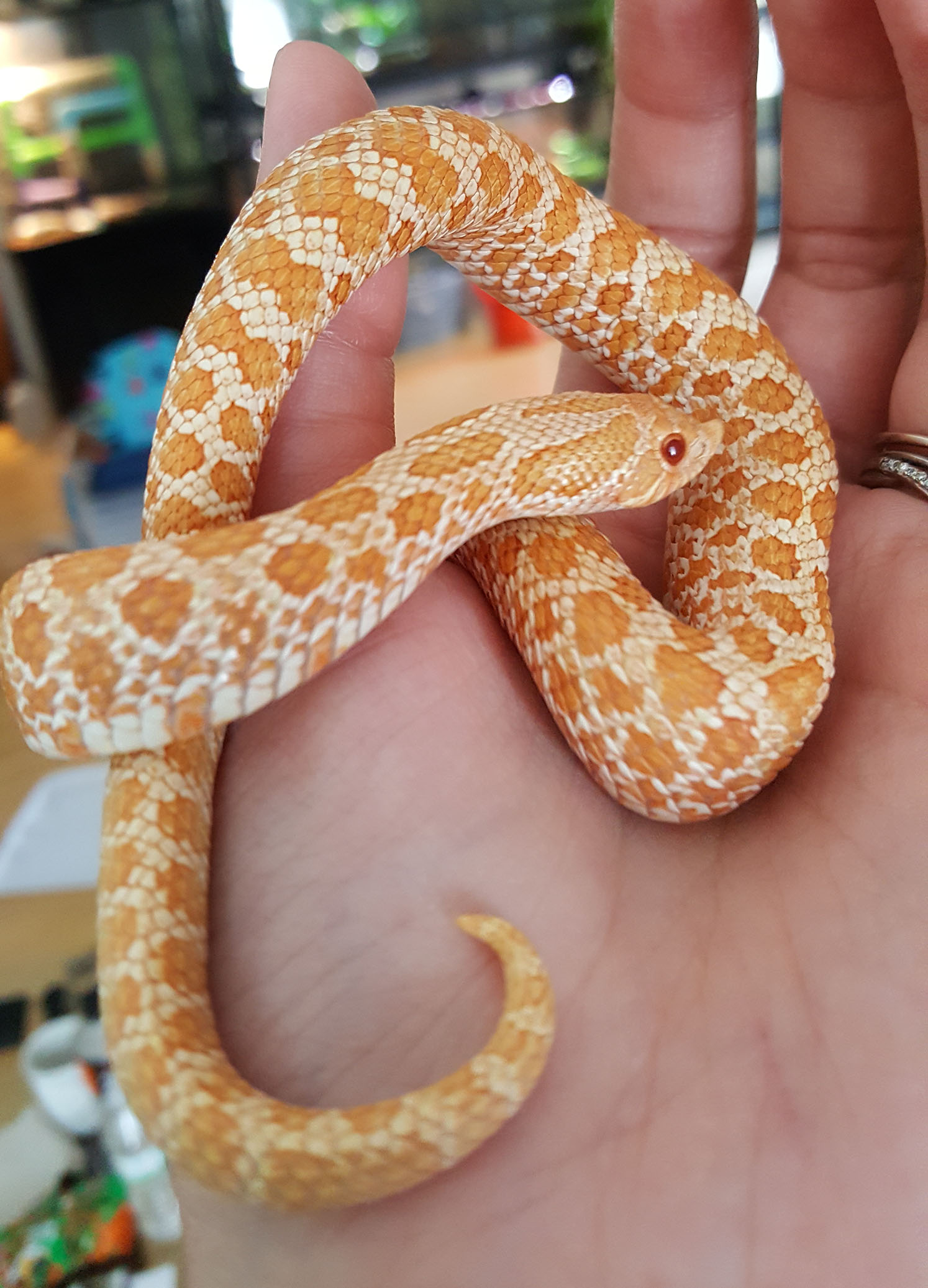
Western Hognose
(Heterodon nasicus)
Difficulty: Beginner - Intermediate
- Size: Adults can be housed in a commercially available enclosure
- Low Humidity: This species does not do well in humid conditions
- Airflow: Ensure enclosure has adequate ventilation at all times
- Attitude: Defensive displays may prove challenging to new snake owners
Adult Size
- 1.2-3 feet (0.37 to 0.9 meters)
- Females are on the larger side of this range
Life Cycle
- Average Lifespan: 20 Years
- Oviparous - Egg Layers
Enclosure Size
- 36x18x12 inches
Husbandry Values
- Temperature:
- Ambient: 77-80°F (25-26.6°C)
- Basking: 85-90°F (29.4-32.2°C)
- The basking area should never exceed 95°F (35°C)
- Humidity: Avoid high humidity (>55%)
- Mist lightly or provide a humid hide while in shed
- Lighting: No specific requirements
- UV Light can be beneficial
Diet
- Carnivore: Rodents
Behavior Notes
- Diurnal This snake is most active during the day
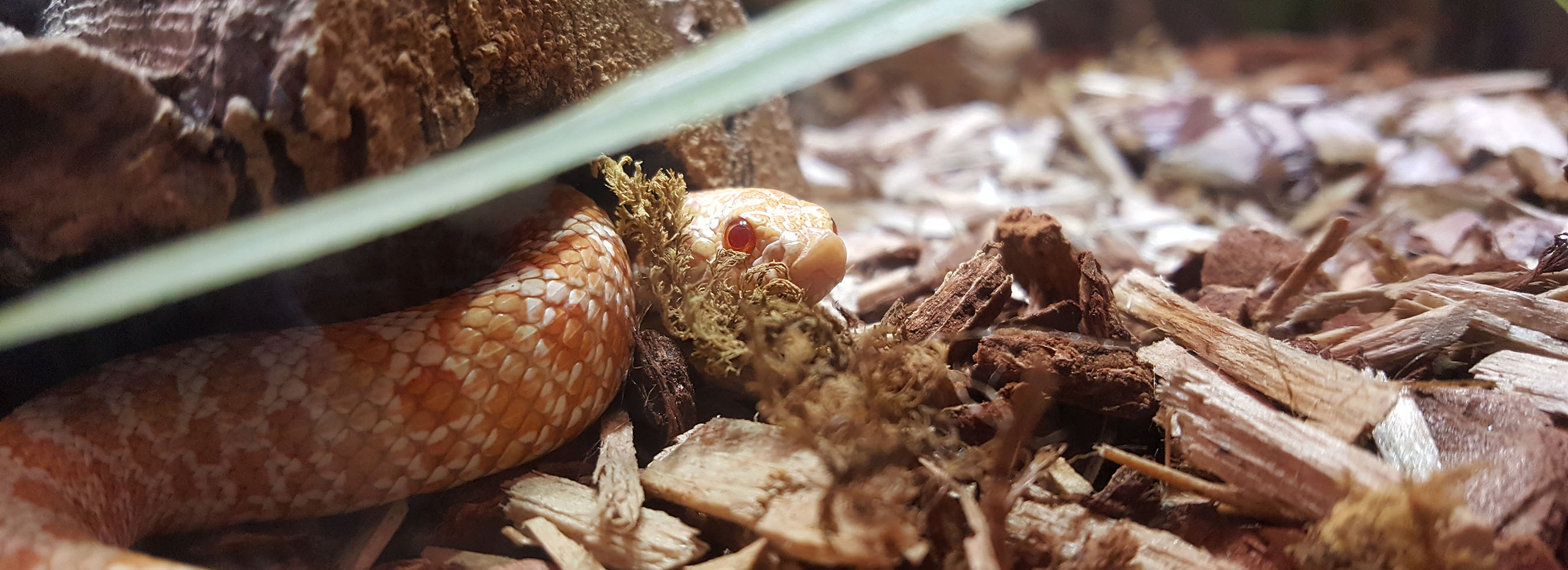
- Burrower This snake may burrow and completely bury itself
- Expressive: This snake may flatten its head and may false-strike when threatened. If pushed too far, it may play dead
- Rear-fanged This snake chews venom into its prey to eat. Its venom is not considered dangerous to humans.
Habitat
Western hognoses are found in southern Canada, throughout various habitats in the United States, and northern Mexico.
They are found in prairies, grasslands, semi-deserts, and many areas with sandy soil.
Feeding
This species is carnivorous and feeds on rodents. Feeding a rodent that is big around as the snake’s girth an average of once about every 7 days is a good rule of thumb to use here. Monitor the snake’s weight. As your snake reaches adulthood, you may feed less frequently to avoid obesity.
This snake is primarily diurnal, and does well on a consistent feeding schedule.
References
***These care sheets assume that you understand the basics of snake care & husbandry.
If you are a new snake owner, it is recommended that you read our articles on general reptile care and then fine tune the requirements for the specific species you are interested in.